Computational Approaches to Memory and Plasticity
We invite Ph.D. students, master’s students, final-year undergraduates, and postdocs worldwide from all backgrounds to CAMP@Pune. At this intensive 15-day course, students will be trained in theoretical and computational modeling of memory and plasticity in the brain, spanning different scales of space, time, and complexity. This year’s flavor of CAMP will be "Building a memory". The course will include lectures, hands-on tutorials, and projects geared towards providing a thorough introduction to the exciting and interdisciplinary field of computational neuroscience. Accommodation and meals will be covered for the participants.
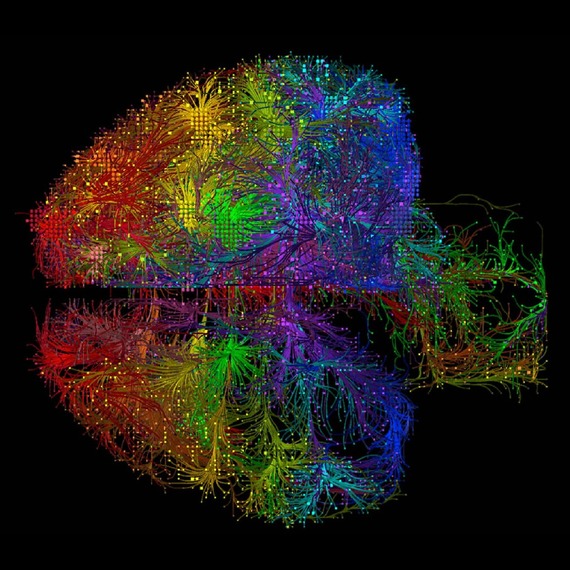
An image from the Allen Mouse Brain Connectivity Atlas, a wiring diagram that traces a mesoscale “connectome,” a brain-wide map of the animal’s neural connections, illustrating short- and long-range connections across the entire mouse brain.
Copyright © 2026 Allen Institute
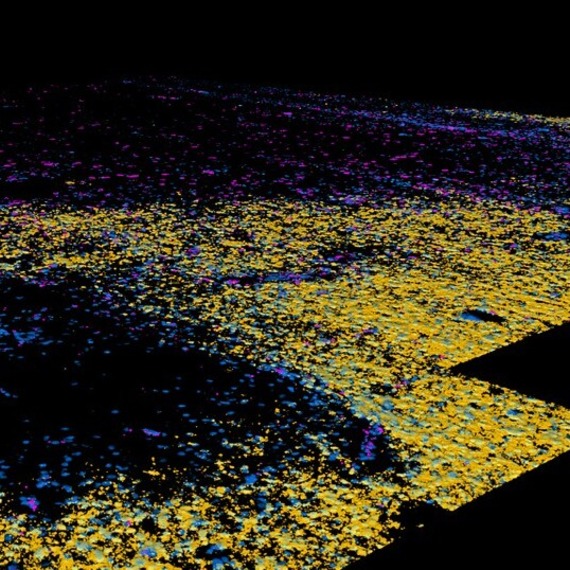
The method (smFISH) captures genes that are switched on in neurons and other cells in post-mortem brain tissue from patients with MS.
Copyright © 2026 Allen Institute
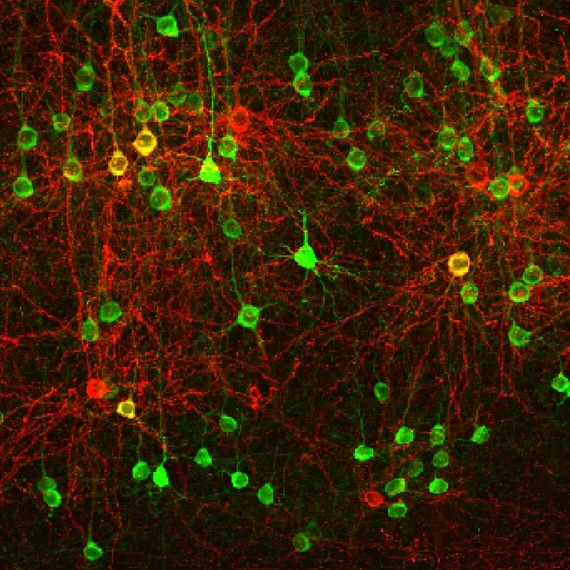
Transgenic mouse lines engineered at the Allen Institute allow researchers to see neurons in new ways. Here, excitatory neurons in the cortex are labeled in green and red.
Copyright © 2026 Allen Institute
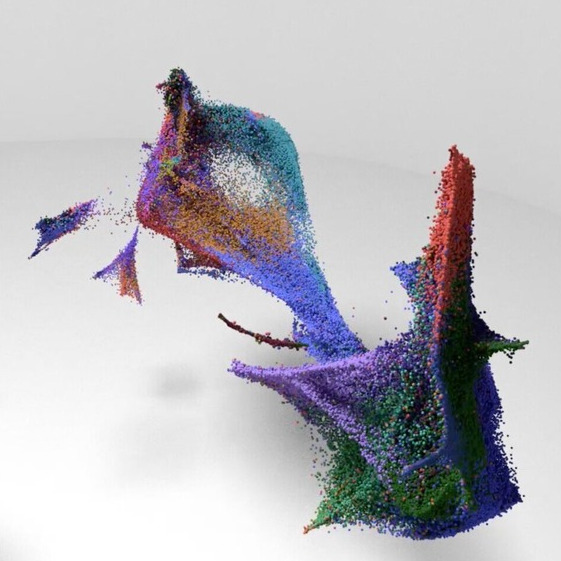
Data visualization shows a 3D abstraction of single cells from the early development of the mouse central nervous system. These data are from a 2 million-cell experiment conducted at the Allen Discovery Center at UW Medicine tracing early mammalian growth at the single-cell level.
Copyright © 2026 Allen Institute
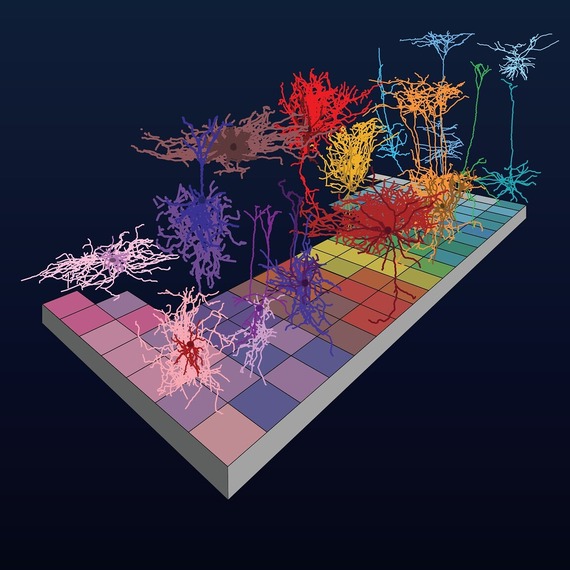
Mouse neurons by their shape and electrical activity into different morphological and electrophysiological types.
Copyright © 2026 Allen Institute
2nd July - 16th July
2026
7th May
2026
IISER Pune
India
Building a memory
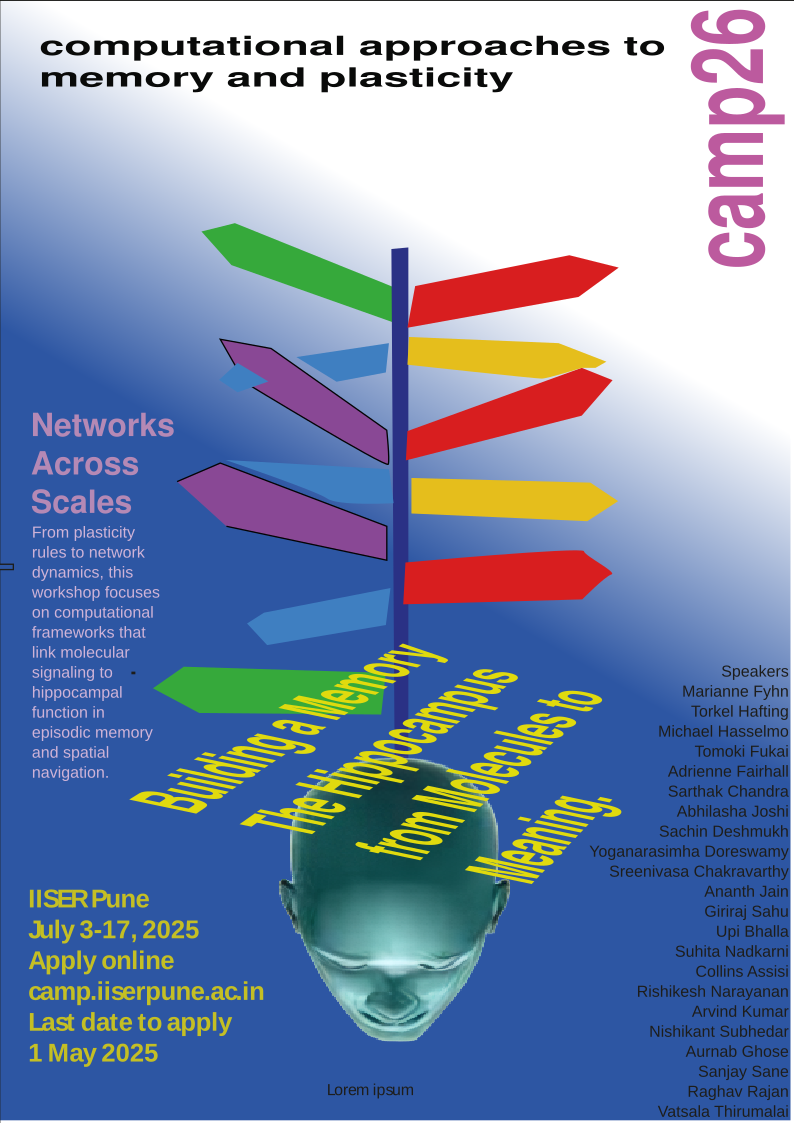
From plasticity rules to network dynamics, this workshop focuses on computational frameworks that link molecular signaling to hippocampal function in episodic memory and spatial navigation.
Poster design by Prof. Sudhakar Nadkarni
Speakers
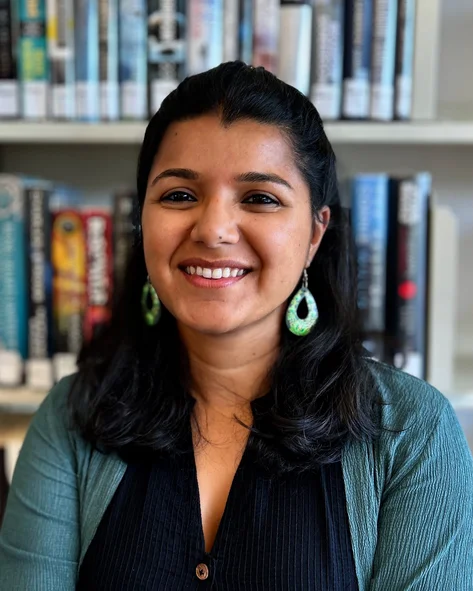
NCBS, India
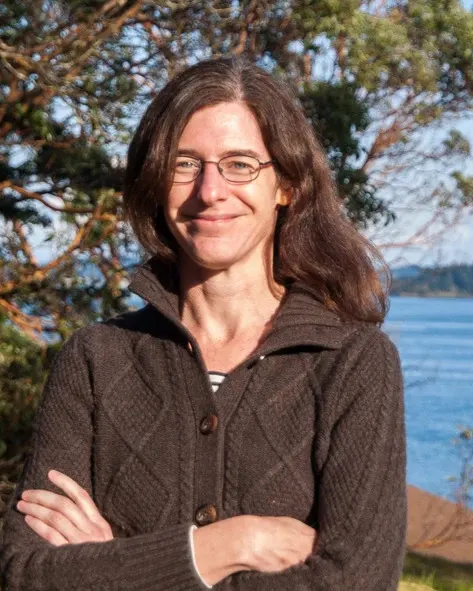
University of Washington, USA
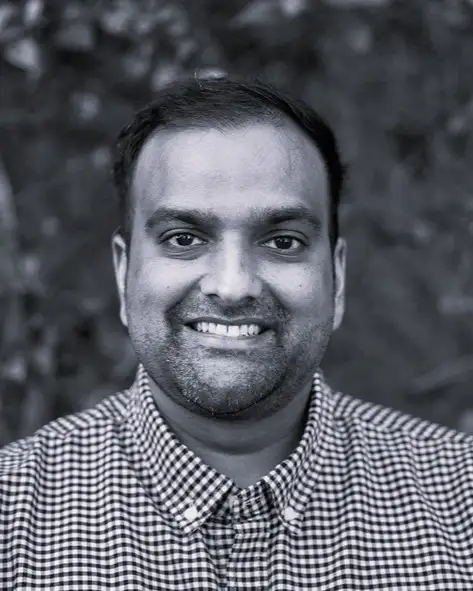
TCG CREST, India
KTH, Sweden
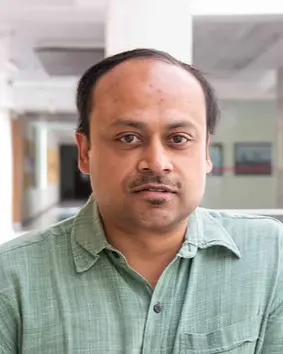
IISER Pune, India
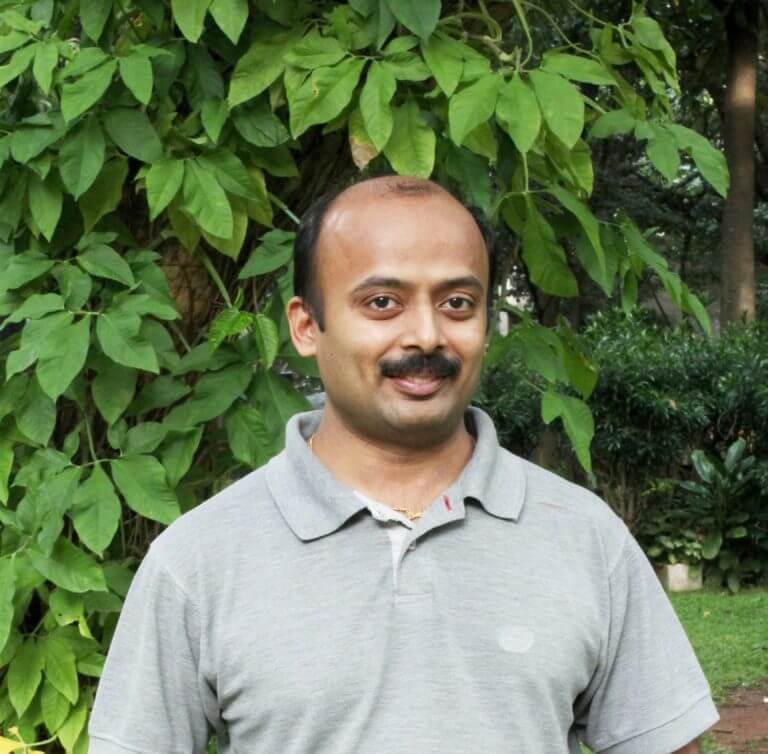
IISc Bangalore, India
IISER Pune, India
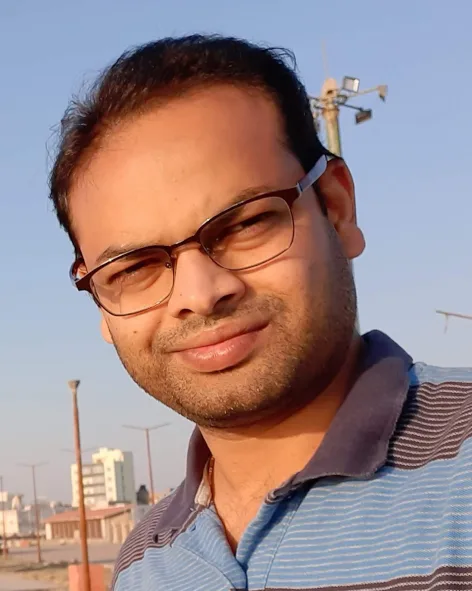
IISc Bangalore, India
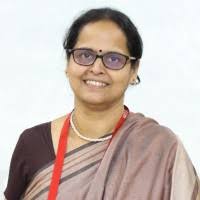
NIMHANS, Bengaluru, India

University of Oslo, Norway
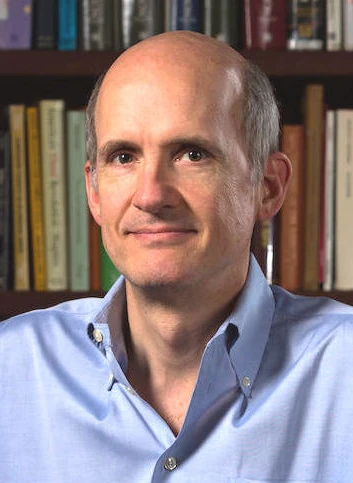
Boston University, USA
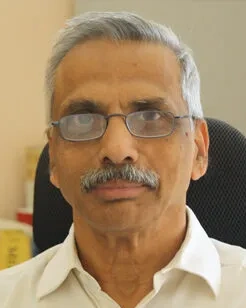
IISER Pune, India
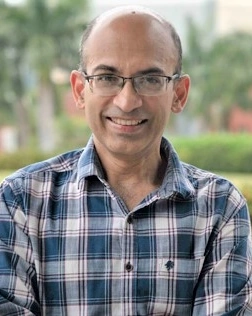
IISER Pune, India
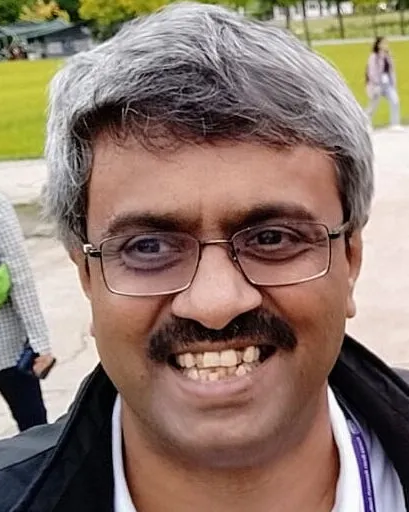
IISc Bangalore, India

Shiv Nadar University, India
NCBS, India
ICTS-TIFR, India
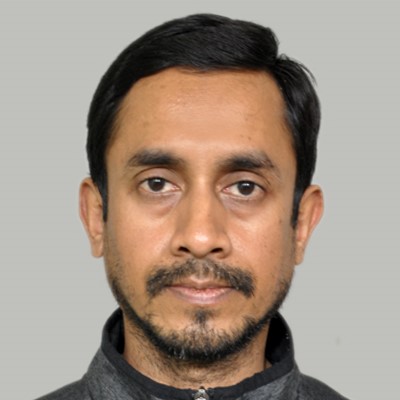
TCG CREST, India
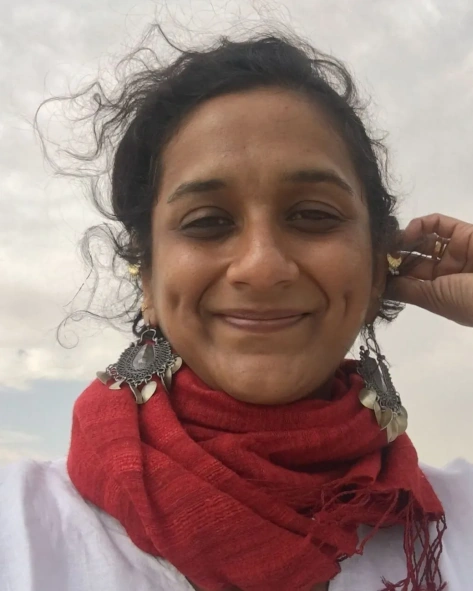
IISER Pune, India
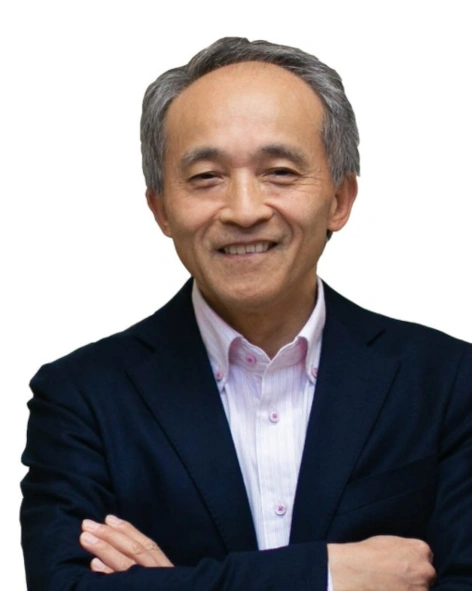
OIST, Japan
University of Oslo, Norway
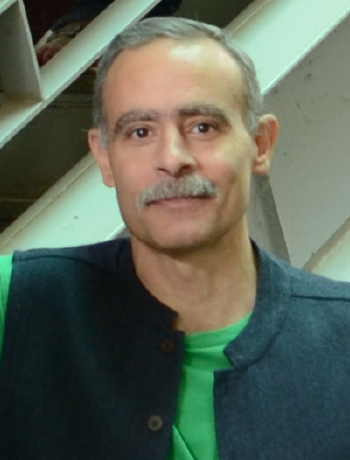
NCBS, India
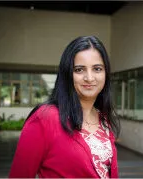
NCBS, India
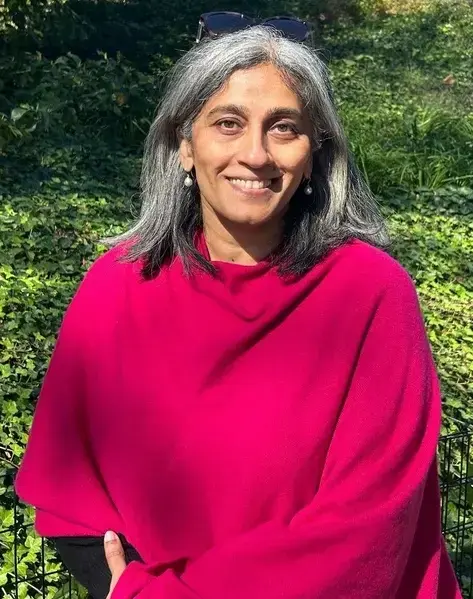
TIFR Mumbai, India
Previous
CAMP Schools
Check out past CAMP workshops
2014
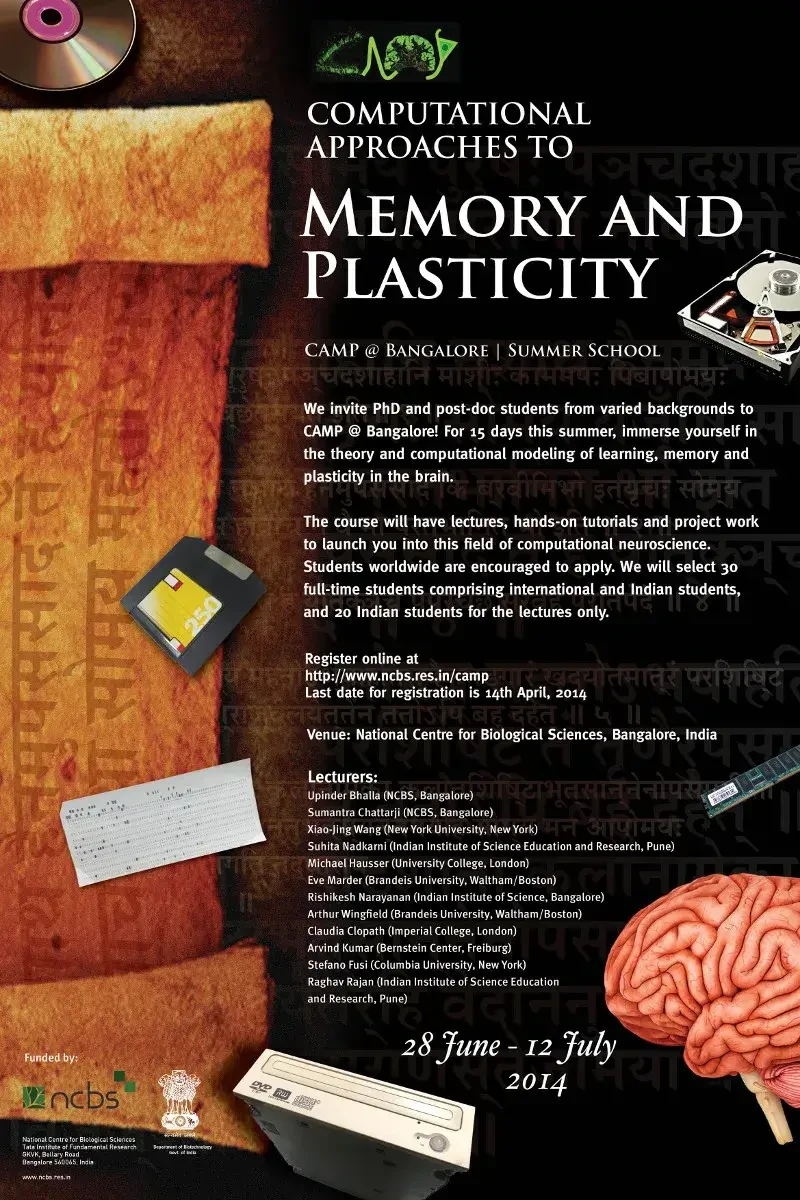
2015
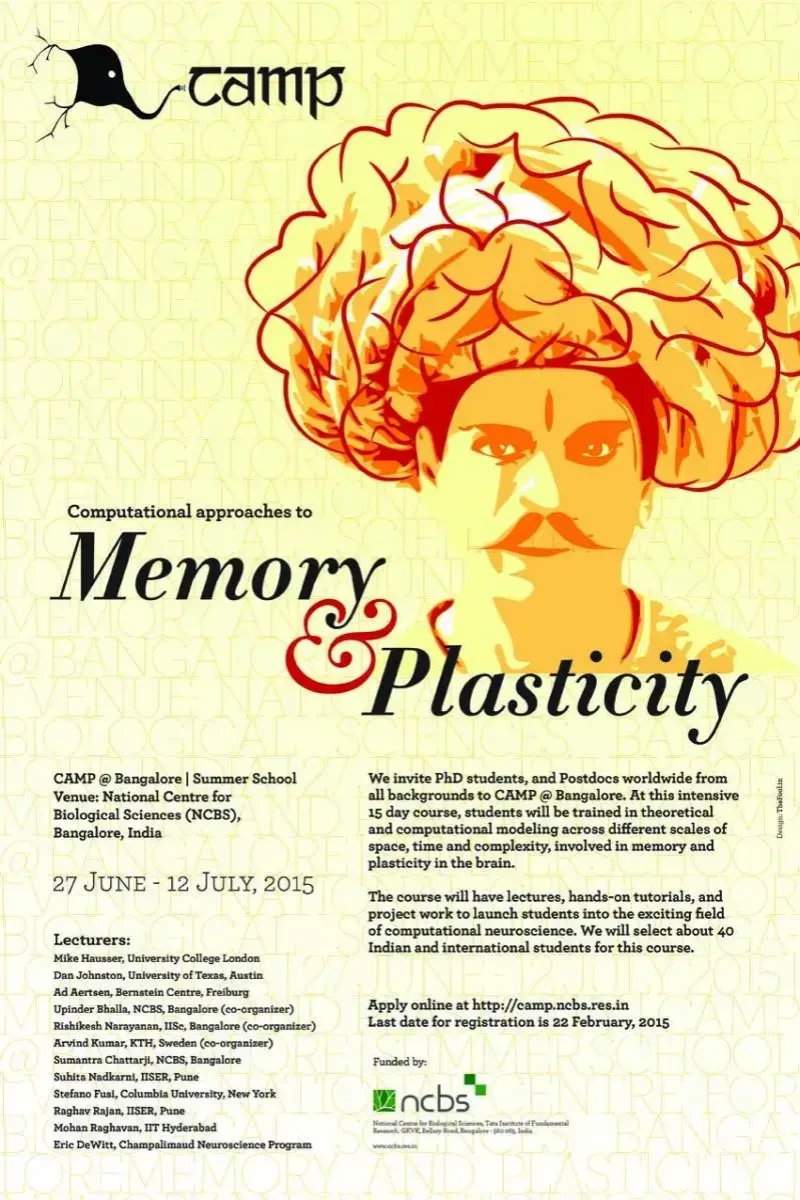
2016
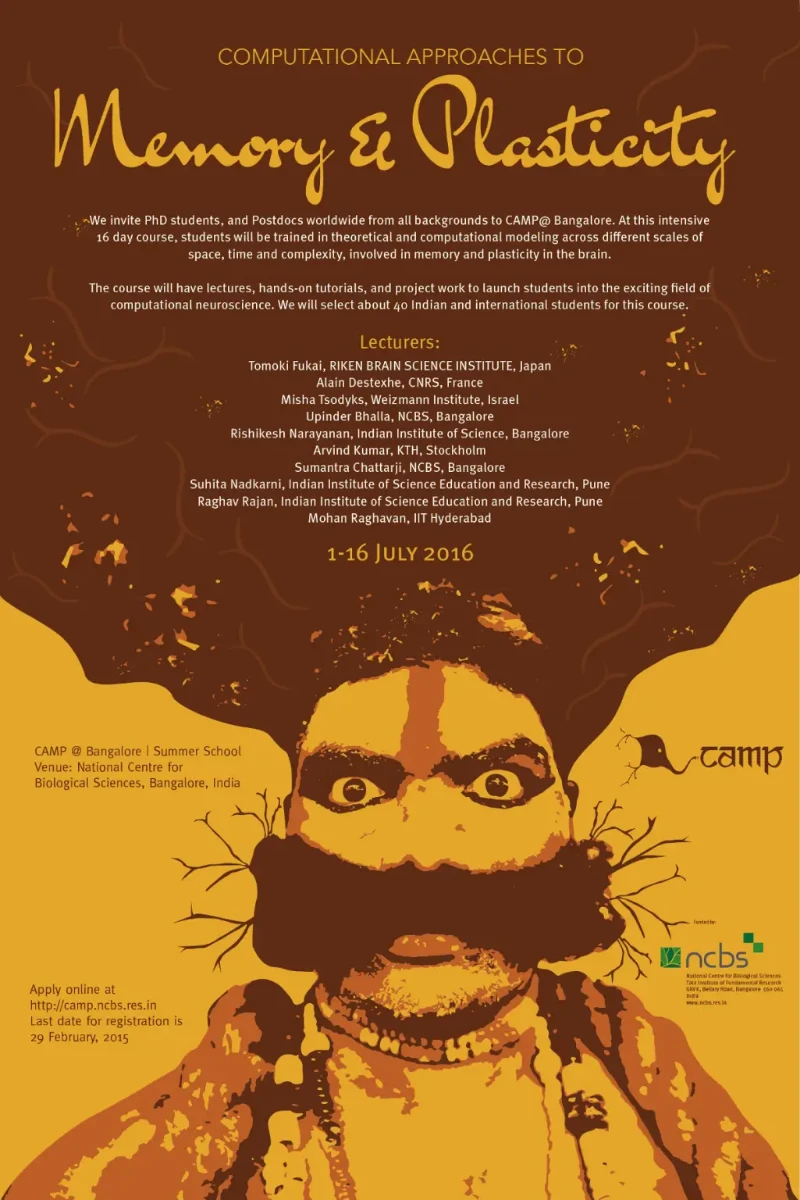
2017
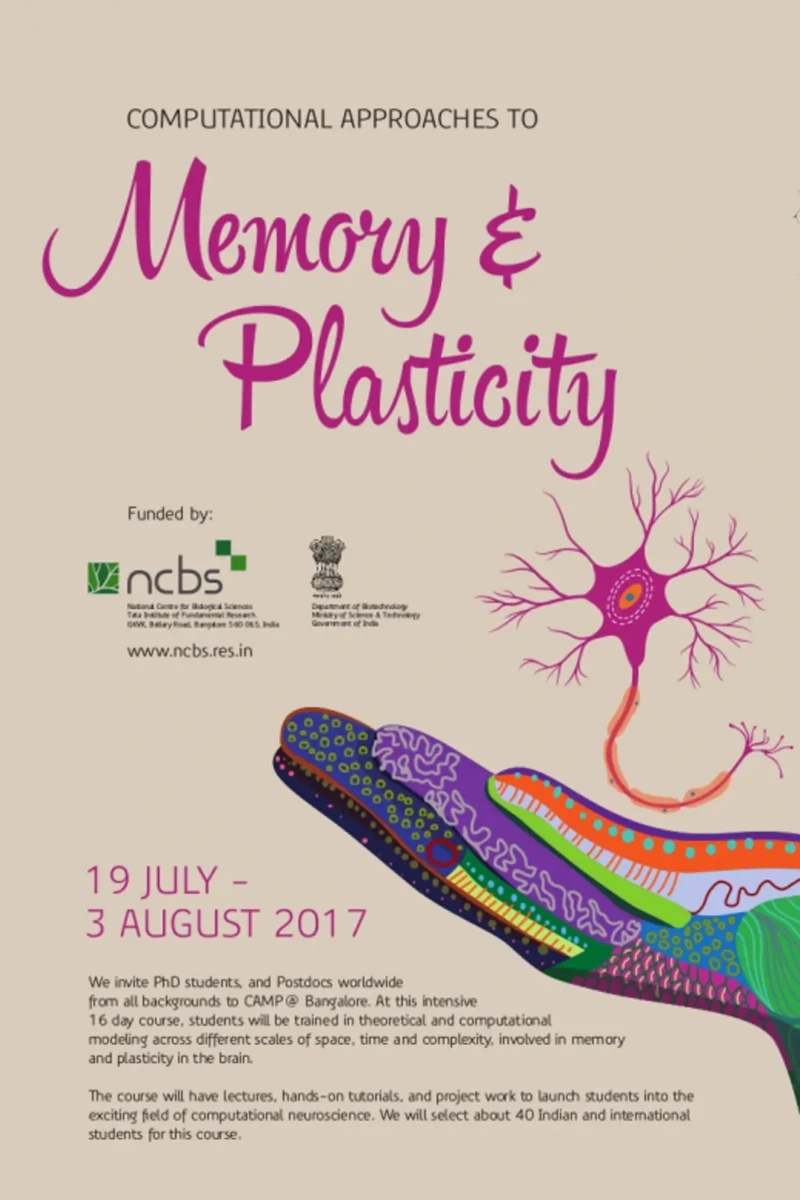
2018
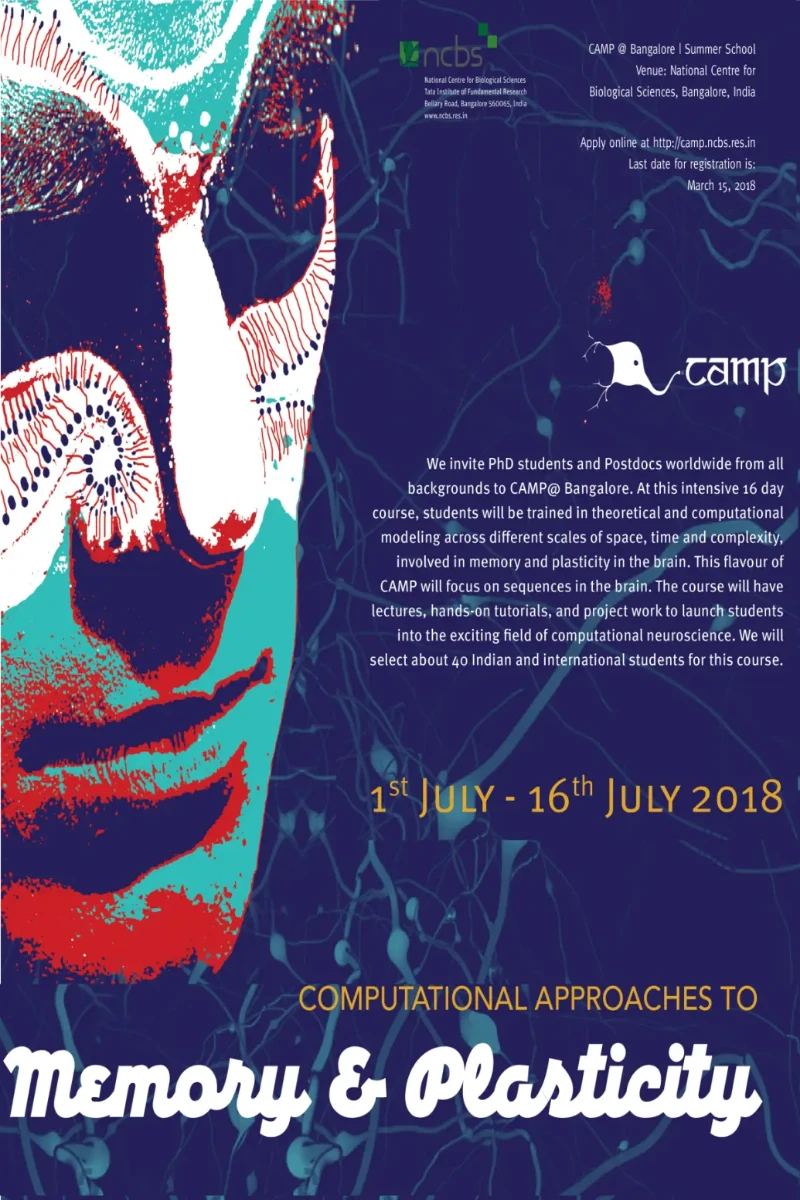
2019
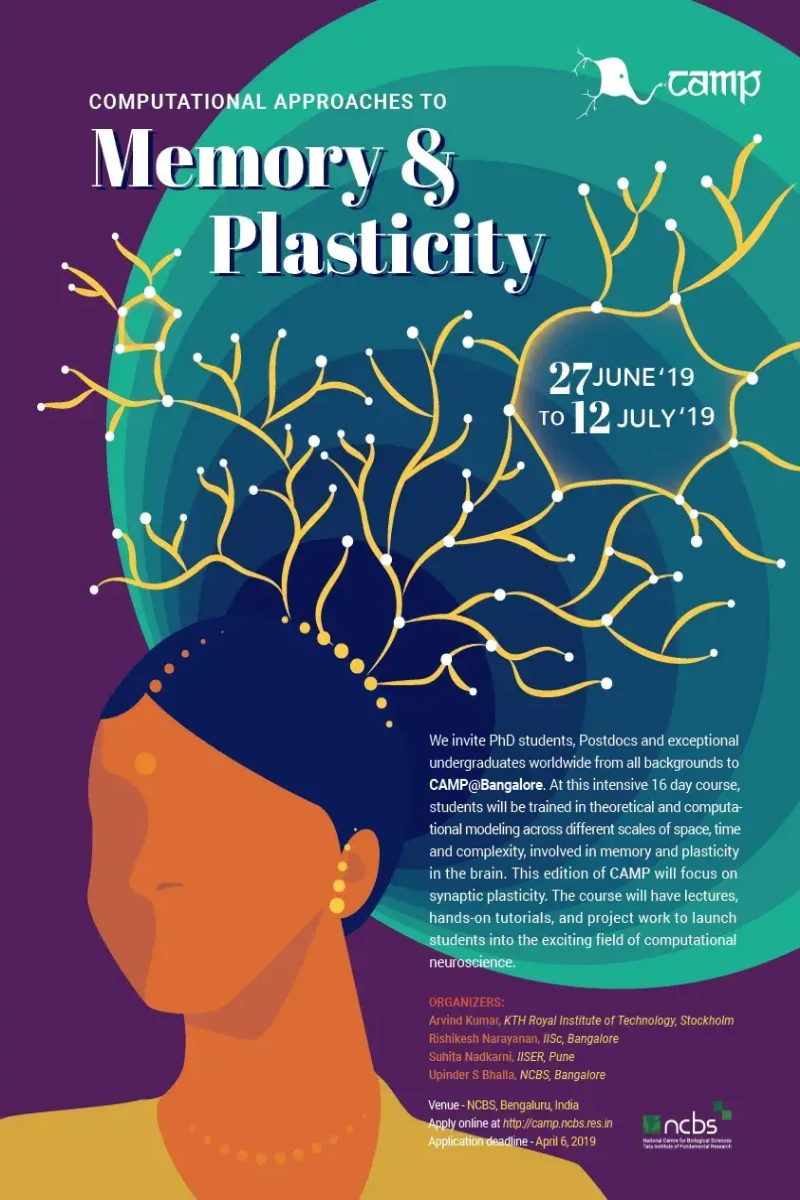
2022
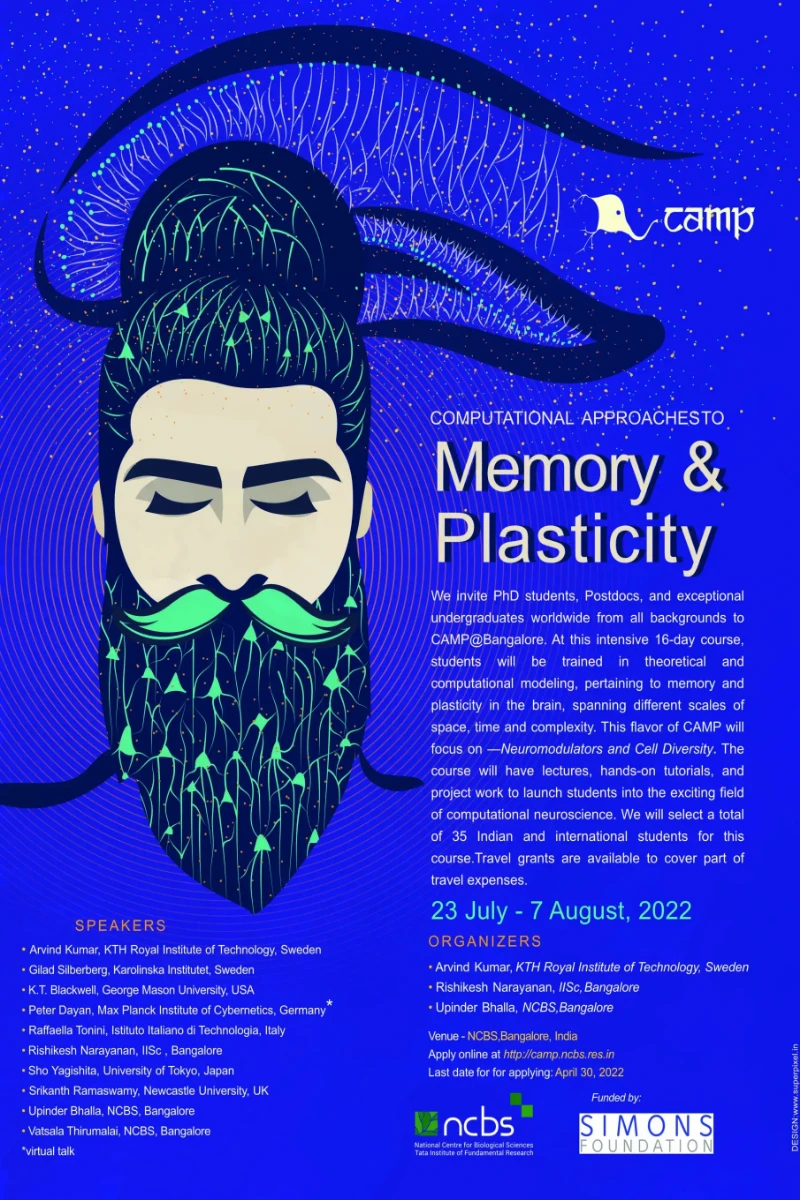
2023
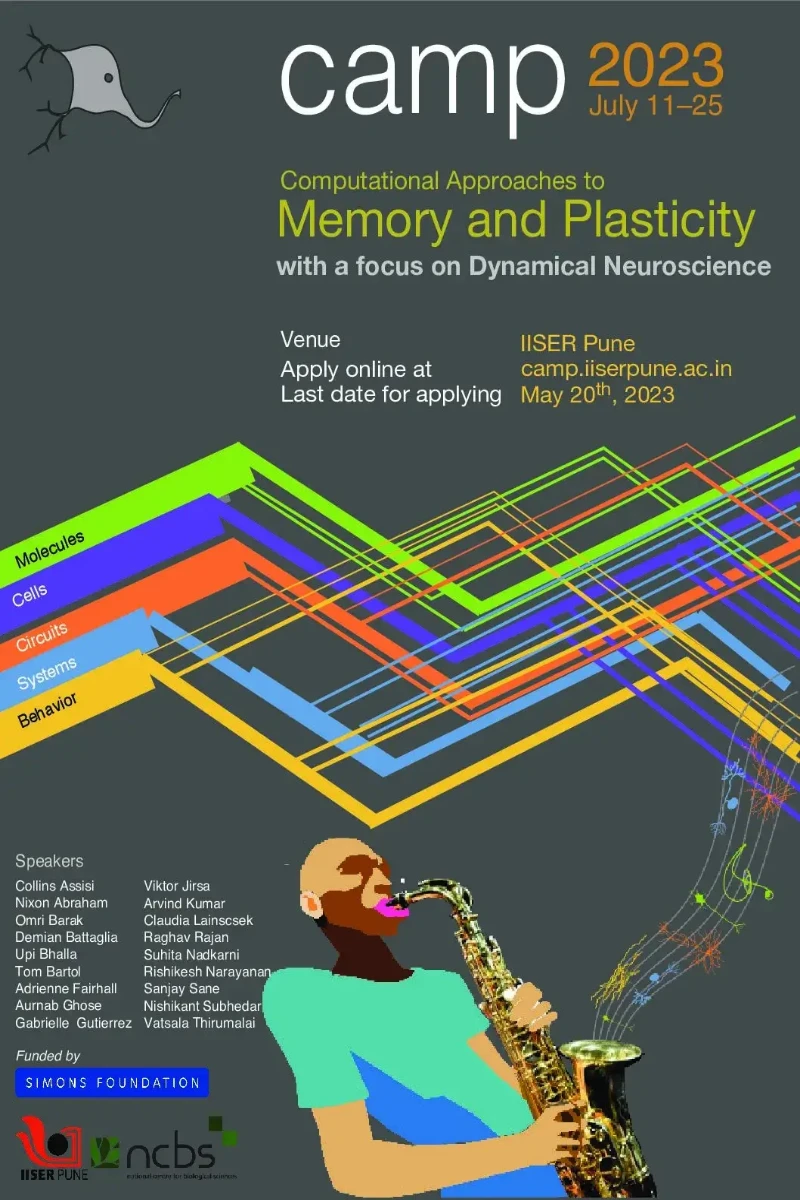
2024
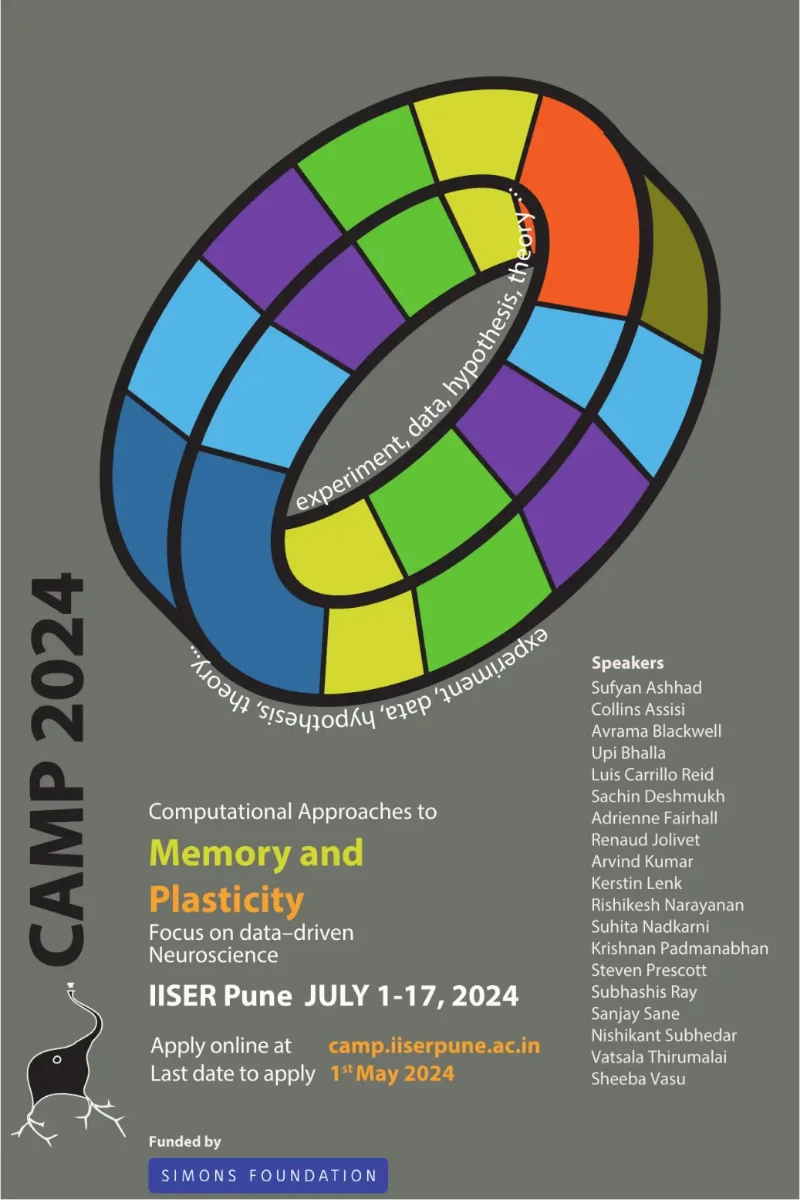
2025
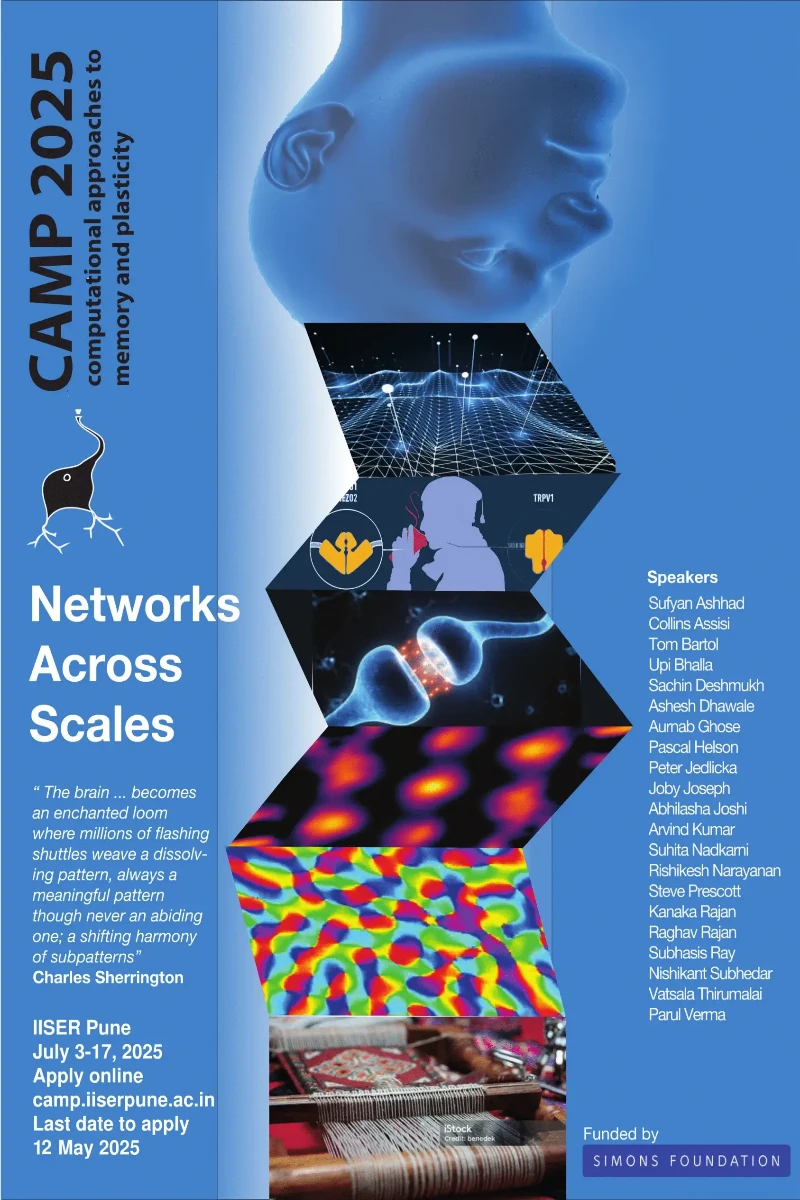
Supported By:
About IISER Pune
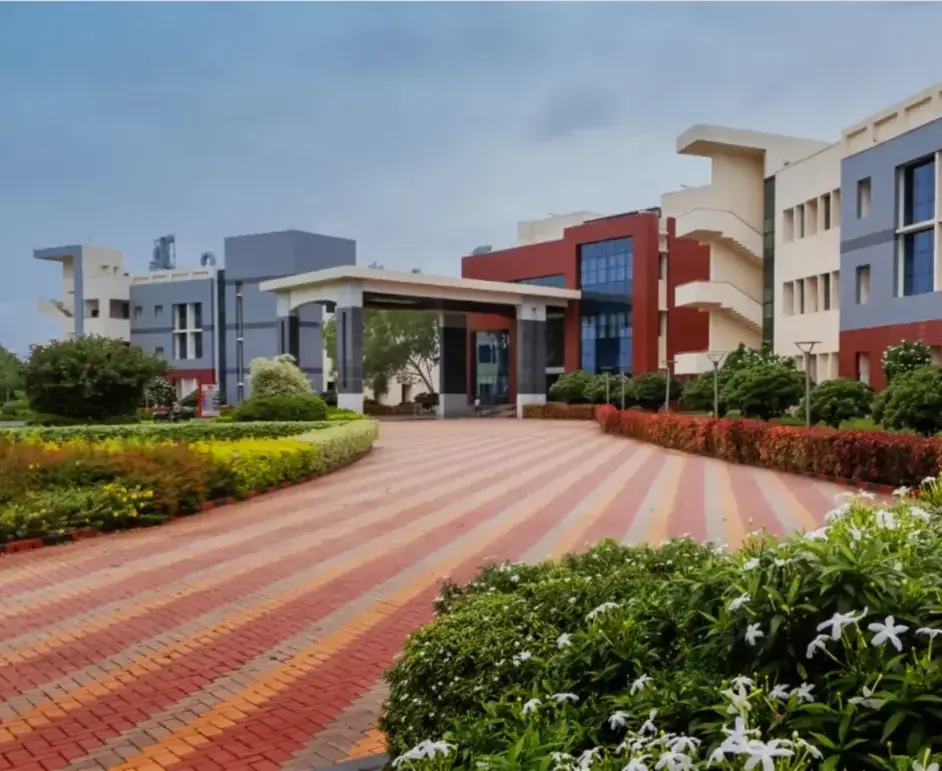
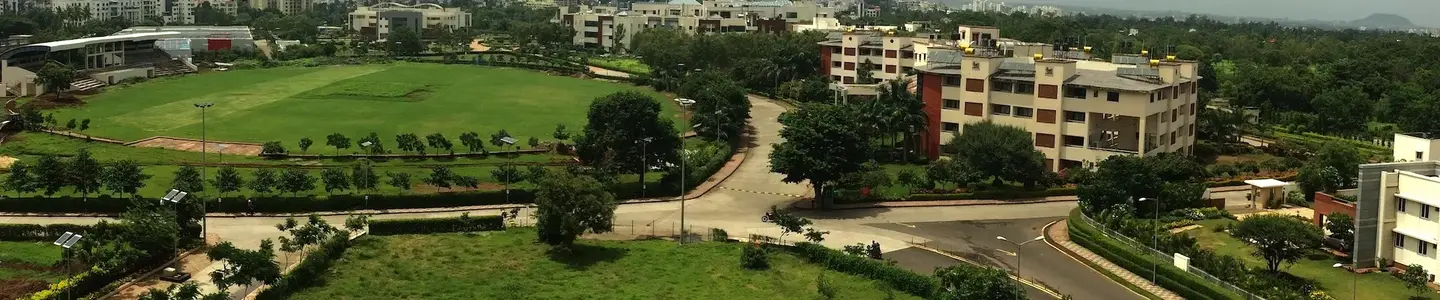
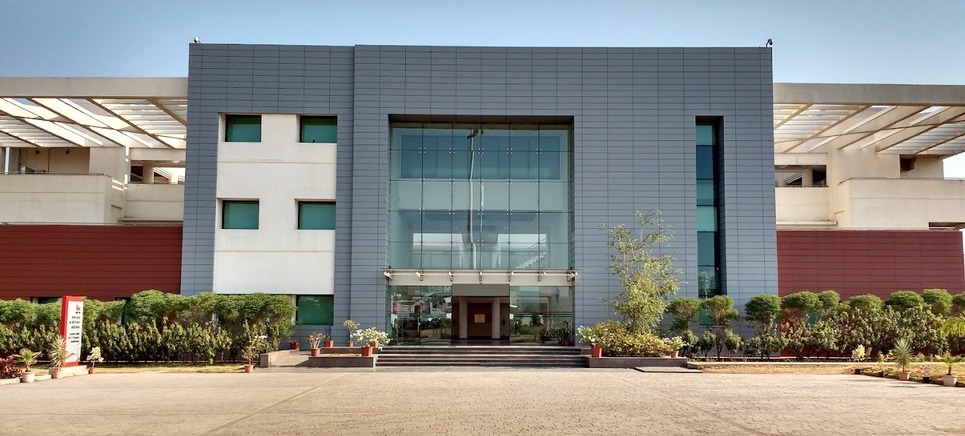
The Indian Institute of Science Education and Research Pune is one of seven IISERs located across the country. These institutes incorporate cutting-edge research in science and humanities into their teaching programs. We are situated in the city of Pune, which is steeped in history and culture. The city has witnessed the rise and fall of dynasties, the birth of the feminist movement in India, and significant events in the Indian freedom movement. Every nook and cranny of the old city still bears memories of the heroes and villains of history. We are approximately an hour’s drive from the fabled Western Ghats, a biodiversity hotspot, and a UNESCO world heritage site. The ghats will be colored rain-drenched green in July, a perfect time to explore.
Contact Us
IISER Pune
Dr. Homi Bhabha Road,
Pashan, Pune,
Maharashtra, India — 411008
For any queries regarding the workshop or registration, reach out to:
camp@acads.iiserpune.ac.in